
Reflections on light and shadow
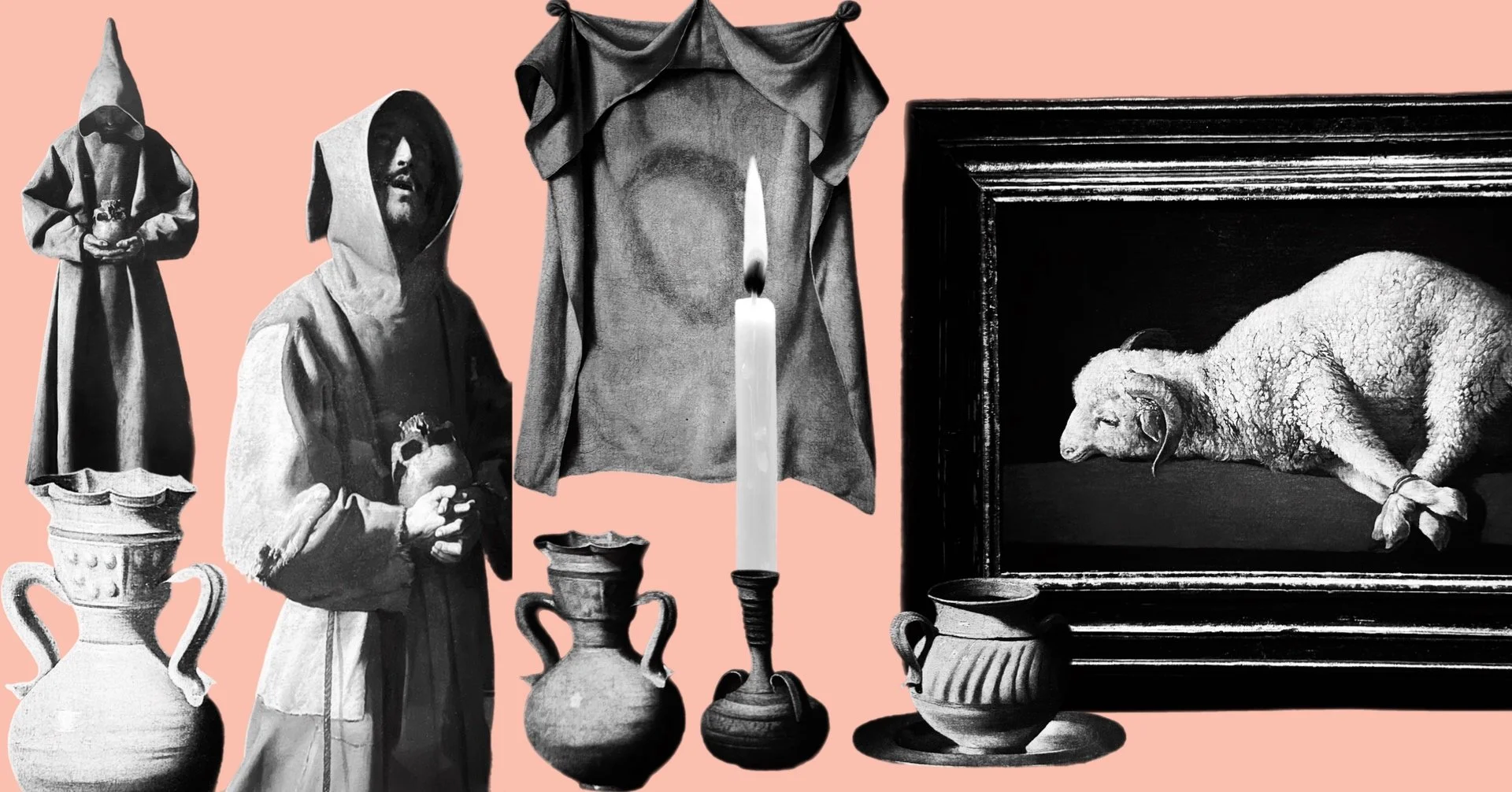
What does a Spanish old master have to do with Kintsugi repair? It turns out quite a bit.
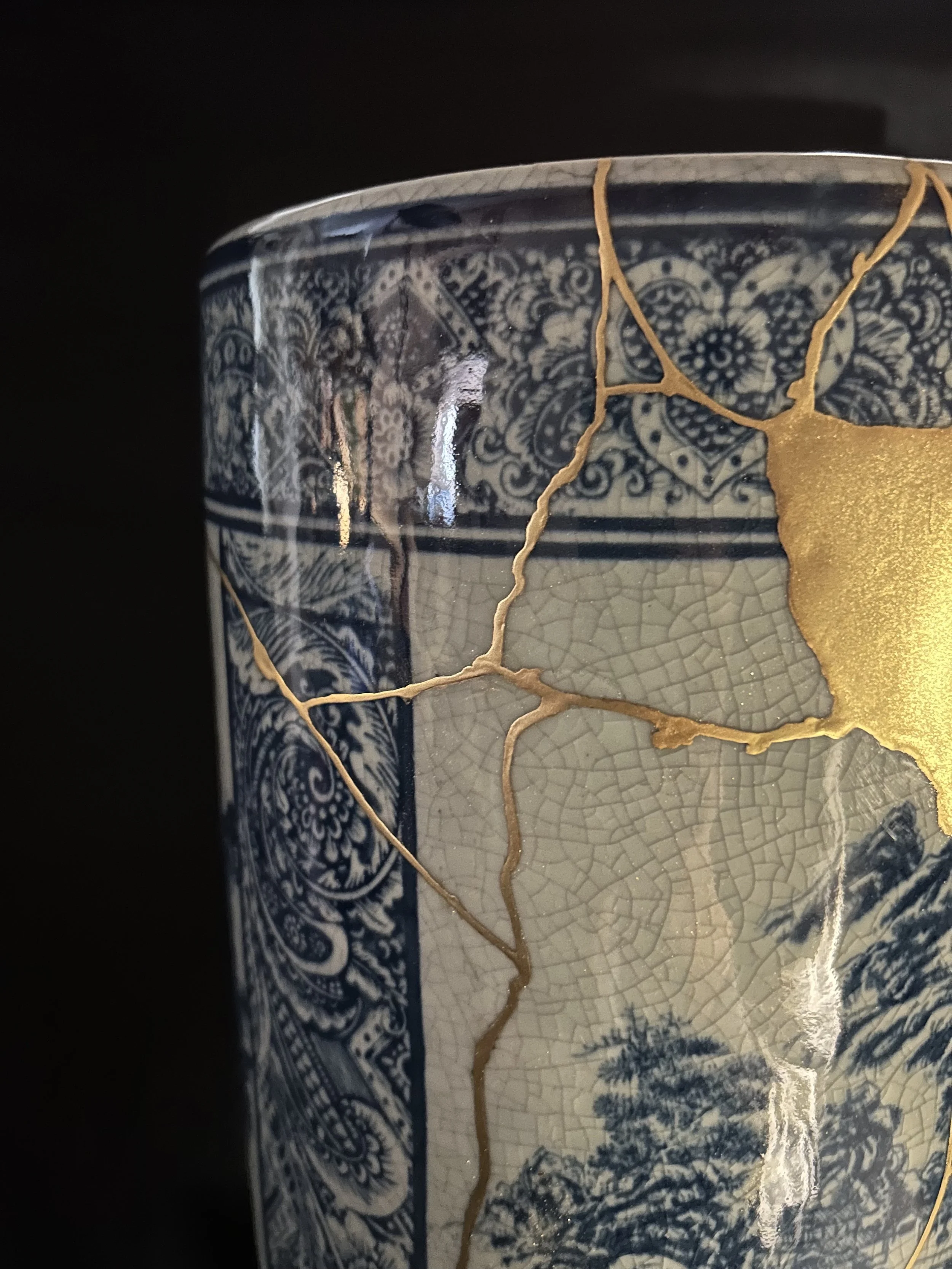
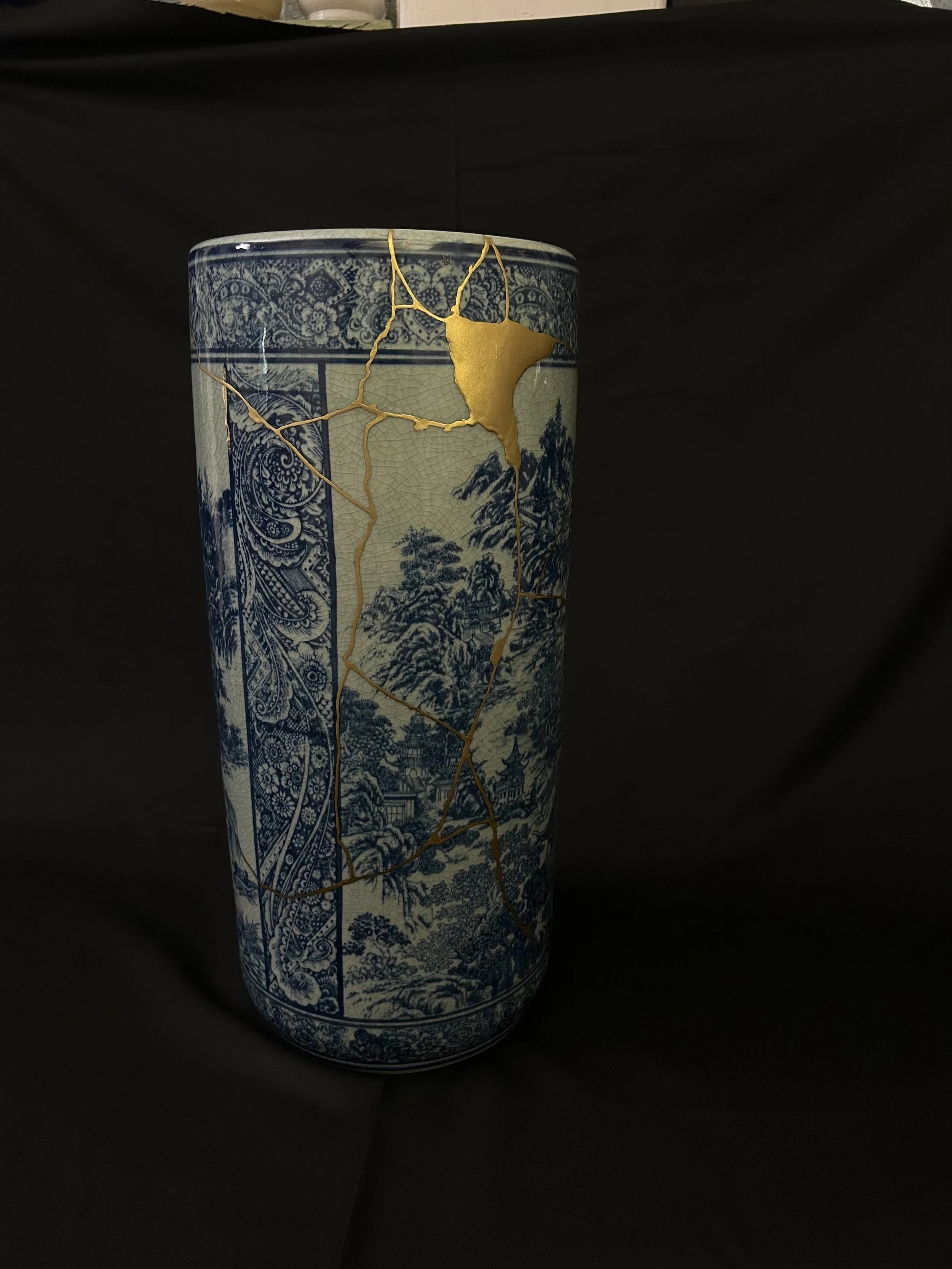
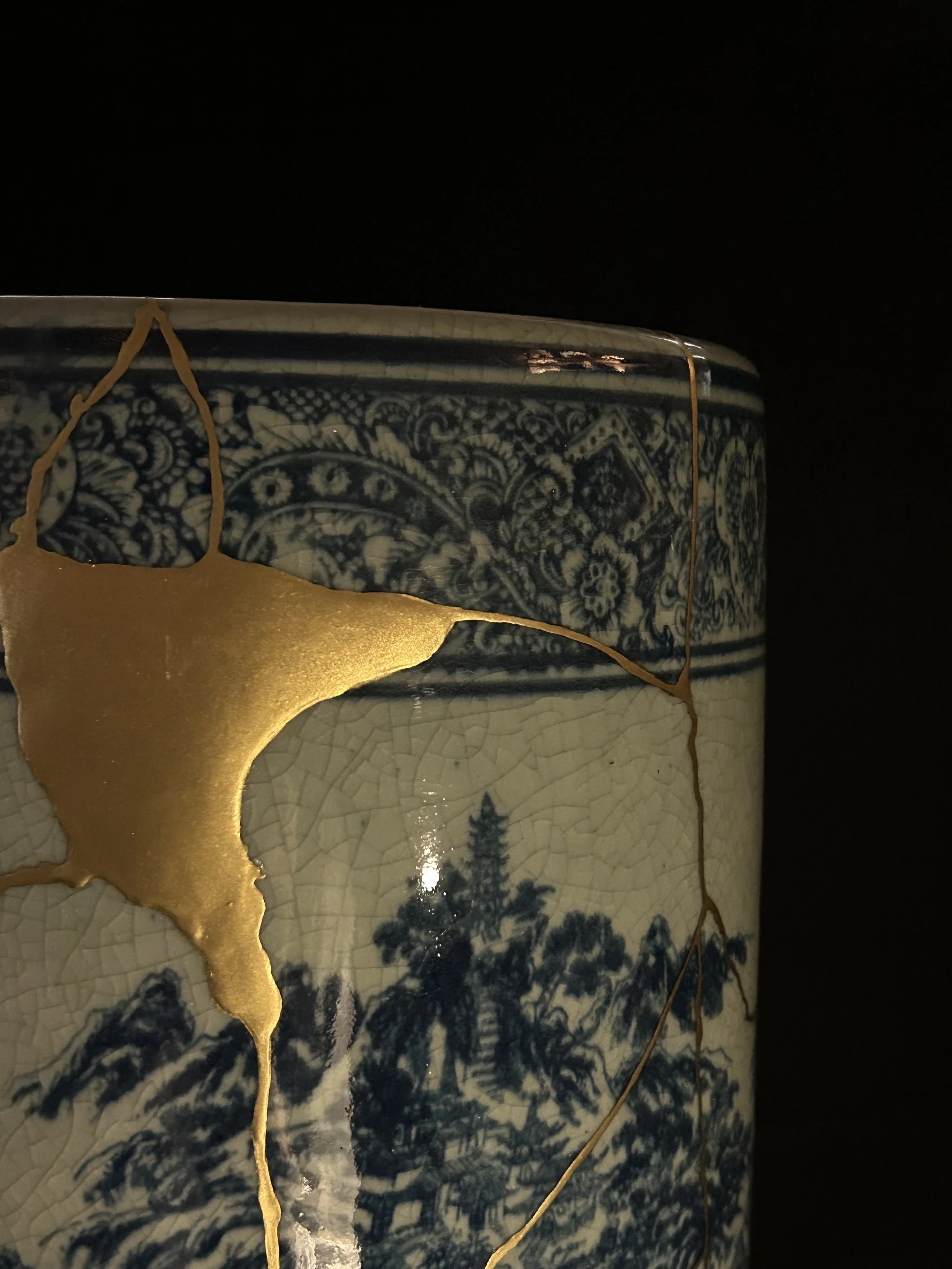
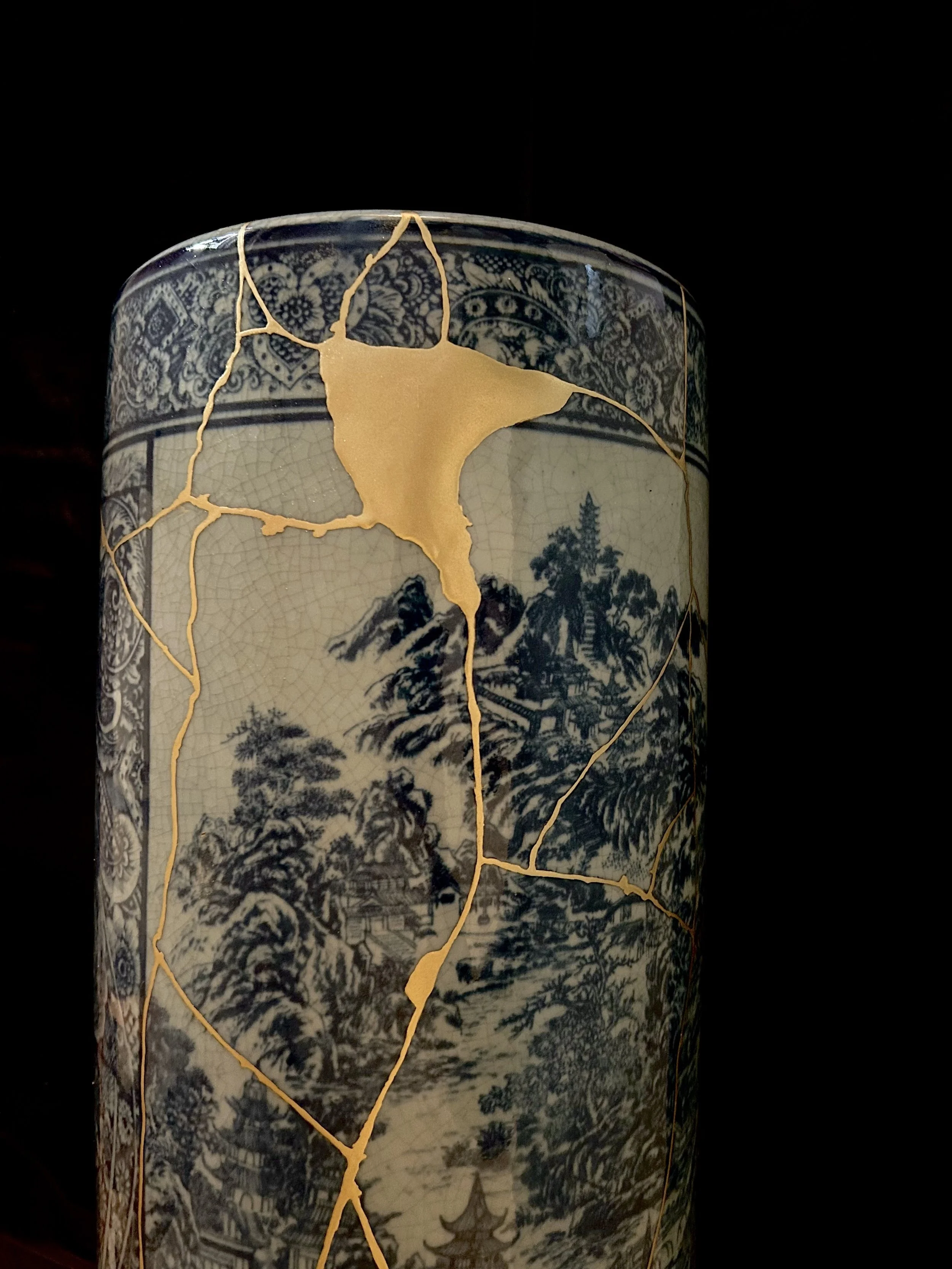
Kintsugi repairs are notoriously difficult to photograph. I speak from my own personal experience in trying to capture the lustre of a finished line, turning it this way and that, all different angles. Trying desperately to capture the magic of the lighting. Why does it never seem to look as good in a photo as it does in real life? This might be an eternal question that applies to many things we try to capture the magic of, and that seem to pale in comparison to the real deal. Mountains, for example.
In any case, to get it right takes practice. And when you do finally capture that golden surface sitting atop a refined urushi line, you feel like a bit of a cinematic genius. Somehow, the golden line seems to glow all the more when surrounded by the darkness of the studio. In general, I tend to keep the studio dark with lots of single points of light directing where the work is happening. This lighting also seems to lend itself extraordinarily well to photographing repairs, and I don’t think this a coincidence. The golden line of a completed repair seems to almost glow in the contrast of the dark background, drawing your eye right into it. As it happens, there is a precedence for this not only in ancient lacquer craft like Kintsugi, but also in western art tradition.
On a recent visit to the Francisco de Zurbarán exhibition at the National Gallery here in London, I was immediately struck by the darkness of the gallery. This is something you will often see in exhibitions of old master works. Works of religious significance were usually viewed in the context of a dark church by candlelight. A place and time of reflection and introspection. Something about these spaces invites imagination and contemplation in a way that modern galleries struggle to recreate. The tension between light and dark is ever present in Zurbarán’s work, and even in the dim light of the gallery, it is instantly recognizable.
Francisco de Zurbarán’s paintings inhabit a world suspended between illumination and obscurity, where figures and objects emerge slowly from darkness with an almost sacred stillness. Eschewing the theatrical drama of many Baroque painters, Zurbarán’s use of light feels restrained and contemplative ie. soft white fabrics, worn ceramics, and human skin which glows quietly against deep shadow, creating an atmosphere of silence and inward reflection. In his work, darkness is not merely background but an active presence. As I waited for the masses of visitors to clear so I could get a better look at Saint Francis in Meditation, A book cover floated into my minds eye, sort of like one of those magic lanterns that turns revealing images to the viewer.

IN PRAISE OF SHADOWS
In Praise of Shadows by Jun'ichirō Tanizaki is regarded as one of the most influential texts on Japanese aesthetics and philosophy. Published in 1933, it explores how beauty in Japanese culture emerges not from brightness and perfection, but from subtlety, contrast, age and impermanence. The idea within this long-form essay about the distinct differences between Western aesthetic values and Japanese appreciation for subtlety was not lost on me standing in this dimly lit gallery. And now that you mention it, there are several more connections here that we can draw between these seemingly disparate cultural touchstones:
Beauty exists BECAUSE of shadow
Not in spite of it. Or, in simple terms, if there is no rain, of what value are sunny summer days? Perhaps Tanizaki’s most well-known takeaway is that beauty is not inherent in objects alone, but in the relationship between light and darkness. He argues that Japanese aesthetics value partial concealment, muted surfaces, and indirect light because they invite imagination and contemplation. Bright light reveals everything immediately, whereas shadow creates mystery and emotional depth.
“Were it not for shadows, there would be no beauty.” as Tanizaki says.
2. Shadows and spirituality
If you ever have the chance to visit Eastern State Penitentiary in Philadelphia, I encourage it. In addition to the audio tour being narrated by Steve Buscemi (bonus) the history behind the very first ‘penitentiary’ in North America is a fascinating one. Tucked away in a residential area in Philadelphia, Eastern State Pen was designed around an architecture of isolation, silence, and controlled light. Opened in 1829, the prison followed the Quaker belief that solitude and introspection could lead to penitence and spiritual reform. Each prisoner was confined alone in a cell illuminated primarily by a single skylight, often referred to as the “Eye of God,” which cast light down into the otherwise shadowed space as a symbolic form of divine observation and reflection. In this context, the single light source almost seems like a form of punishment and deprivation, but historically in Western religious practice and in much of Japanese philosophy, muted, directional light is a way of providing peace, with single-source light directing your attention towards specific objects.
Tanizaki writes often about this quiet choreography of light: the way a dim alcove, a candlelit bowl, or a shadowed room can create an atmosphere of reverence and inward reflection. The tokonoma comes to mind, an alcove often seen in Japanese architecture, particularly in the home, where you might find an austere display of flowers set into a wall. This area serves no other purpose than to create a place of stillness and contemplation. Like the solitary skylight in the prison cell, the tokonoma demonstrates how restrained illumination can transform a space into something spiritual and psychologically charged.
3. The shadow as philosophical anchor
We all contain a shadow side. In fact, you could argue that even our very best qualities have a flip side to them. I am detail-oriented, which is great when I’m approaching a new repair. But I can also see how this sometimes makes me rigid in my process, unable to let go of the ‘order’ I like to do things in. That is the shadow side. The side we sometimes would prefer isn’t there, but it allows the light to come through. The shadow side can also be reflected upon as our flaws and imperfections, that which is hiding just out of sight, obscured as we try to conceal it. Tanizaki’s writing repeatedly returns to the idea that concealment itself can possess beauty and meaning. what is partially hidden often invites deeper emotional engagement than what is fully exposed. I am often finding myself more curious about what is in the shadows of a painting than the subject itself. Isn’t there something just a little bit more interesting about what is lurking just out of view? In this sense, shadow becomes more than a visual phenomenon — it becomes a philosophical space for ambiguity, complexity, and the parts of ourselves that resist easy definition.
Wabi-sabi and urushi lacquer
Traditional Japanese lacquerware possesses a unique relationship to light, one that feels deeply rooted to the philosophy explored in In Praise of Shadows. Unlike polished or highly reflective surfaces that demand immediate attention, lacquer absorbs and softens illumination, revealing itself gradually depending on the depth, direction, and warmth of the light around it. Under candlelight or within a dim interior, its surface seems almost alive: gold details flicker subtly, black lacquer deepens into velvety shadow, and texture emerges slowly rather than all at once. This is why the beauty of kintsugi resonates so deeply for those who practice it and observe it. The ever changing experience of the surface gives us the opportunity to reflect deeply on our own shadows and light.
Tanizaki admired this quality in urushi lacquer precisely because it resisted harsh exposure, allowing beauty to unfold through atmosphere and suggestion rather than clarity. This same tension is felt when standing in front of a painting by Zurbarán, where fabrics, ceramics, and skin seem to absorb darkness rather than simply sit within it. His use of shadow does not obscure the subject completely, but instead slows perception, encouraging the eye to linger over muted surfaces and quiet tonal shifts. In both lacquerware and Zurbarán’s paintings, light is never overwhelming or absolute; it is restrained, directional, and contemplative, creating spaces where stillness and emotional depth can emerge gradually from shadow.
Kintsugi offers a material expression of the same philosophy Tanizaki describes and Zurbarán paints: what is broken, aged, or partially obscured may possess a deeper and more contemplative beauty than what is polished and fully exposed.
If you would like to learn more about the beauty of urushi and this significance of this enigmatic material in the ancient practice of kintsugi, you can find information about our Intermediate Kintsugi repair workshops here.
